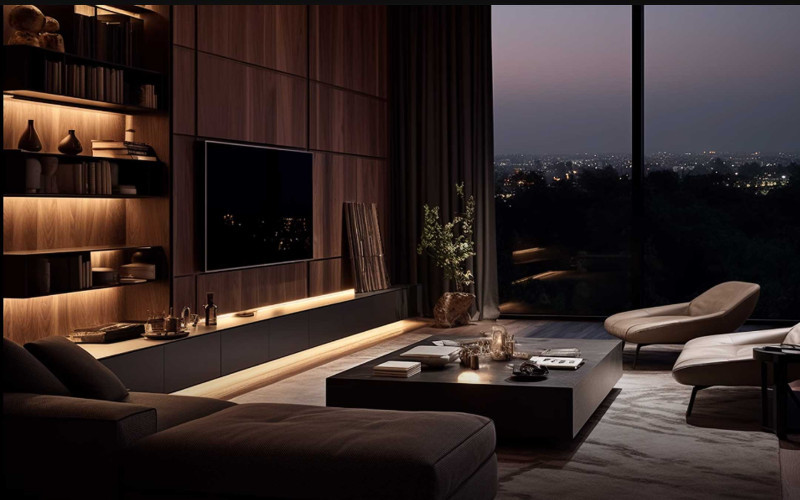

Minimalism isn’t disappearing, but its long reign as the default “good taste” is fading. More designers and homeowners are craving spaces that feel lived-in, expressive, and emotionally warm—shifting the spotlight toward a new wave of maximalism: colorful, layered, and personal without necessarily being cluttered.
Minimalism vs. maximalism: what’s changing
Minimalism is known for clean lines, open space, and a pared-back palette. Maximalism leans into bolder color, pattern, texture, and a mix of objects that feel collected over time. The current change isn’t about rejecting calm altogether—it’s about moving away from rooms that can feel generic or overly “perfect.”
Homes are becoming more personal again
One reason maximalism is resonating right now: it makes room for identity. Instead of hiding sentimental pieces or quirky finds, this approach celebrates them. Color, pattern, and objects with meaning become part of the design language—turning a home into a reflection of the people who live there.
Think of it as curated personality, not random excess. A few high-impact choices—like an art wall, patterned rug, or bold paint—can say more about you than an all-neutral room ever could.
It feels more inviting and story-driven
Minimal spaces can be calming, but they can also read as sterile if they’re stripped of texture and character. Maximalist rooms tend to feel welcoming because your eye has places to land: layered textiles, books, art, and objects that spark conversation.
That “collected” look also helps a home tell a story—where you’ve been, what you love, and what you’re drawn to. The result is often a space that feels warmer to guests and more satisfying day-to-day.
Playfulness is back—especially through color and pattern
After years of subdued, “cocooning” interiors, many people want their homes to feel optimistic and energizing. Maximalism offers permission to be playful: mixing patterns, combining unexpected colors, or introducing whimsical shapes and decor.
This doesn’t mean every room needs to be intense. A single area—like a powder room, entryway, or reading corner—can carry the boldness while the rest of the home stays quieter.
Maximalist design can boost mood
Color and visual richness can change how a room feels. Layering complex shades and textures can create a sense of joy, creativity, and momentum—especially in spaces where you want energy, like a home office or kitchen.
If your current space feels flat, a more expressive palette or a stronger mix of materials can make it feel alive again.
How to try the trend without overwhelming your space
- Start with one anchor: a bold rug, a statement sofa, or a saturated wall color.
- Layer textures first: add throws, curtains, woven baskets, ceramics, and mixed finishes for depth.
- Use repetition to keep it cohesive: repeat two or three colors across art, pillows, and accessories.
- Mix patterns with a “scale rule”: pair a large print with a medium pattern and a small, subtle motif.
- Curate your collections: group objects intentionally (by color, theme, or material) so they feel designed, not scattered.
Practical takeaway: Choose one small zone this week (a shelf, wall, or corner) and add one bold color plus two layered textures—then build slowly with meaningful pieces so your home feels more like you.